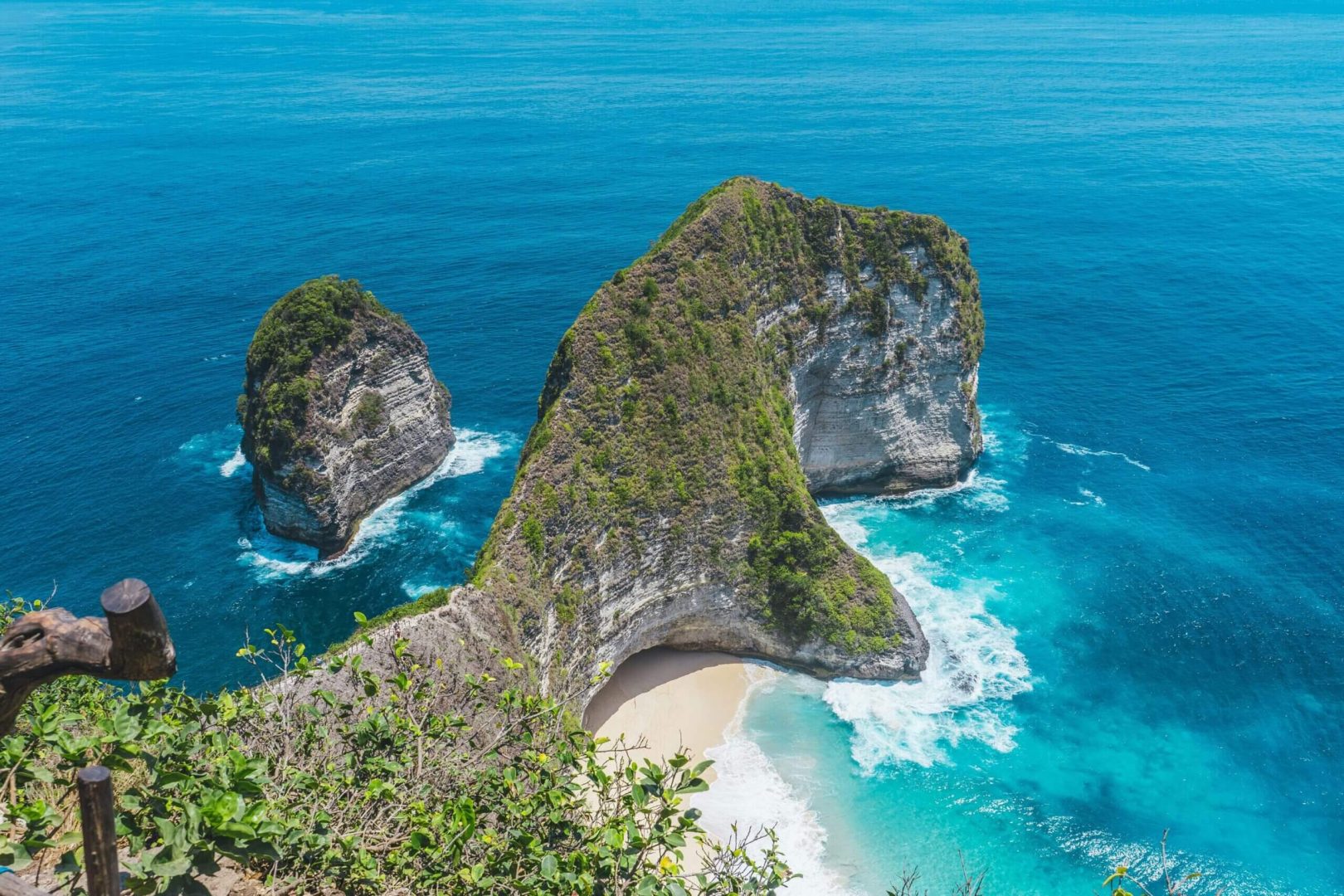
Language: English
Currency: Rupiah
Religion: Hinduism
Timezone: GMT+8
Vietnam is truly unique, like nowhere else in the world
History of the Island of the Gods
History of Vietnam
Although traces of human presence in Vietnam date back to prehistoric times, much of the country’s rich cultural identity began to take shape during the early dynasties such as Văn Lang and Âu Lạc (around the 1st millennium BC). This was a formative period in which the foundations of Vietnamese society, traditions, and beliefs were established. Over centuries, Vietnam experienced periods of foreign domination, most notably under Chinese rule, which lasted for more than a thousand years and left a lasting influence on governance, culture, and education.
Vietnam regained independence in the 10th century, ushering in a series of powerful dynasties such as the Lý, Trần, and Lê. These eras are often regarded as golden periods of national strength and cultural development, marked by the flourishing of literature, architecture, and Confucian scholarship. The nation also successfully defended itself against major invasions, including those of the Mongol Empire, demonstrating resilience and unity.
In later centuries, internal conflicts and colonial pressures led to significant changes. The arrival of French colonial rule in the 19th century introduced Western influences but also sparked resistance movements. The 20th century saw Vietnam endure wars for independence and reunification, culminating in the establishment of the modern Socialist Republic of Vietnam in 1975.
Today, Vietnam stands as a dynamic nation that blends ancient traditions with modern development, where its long history continues to shape its culture, identity, and global presence.

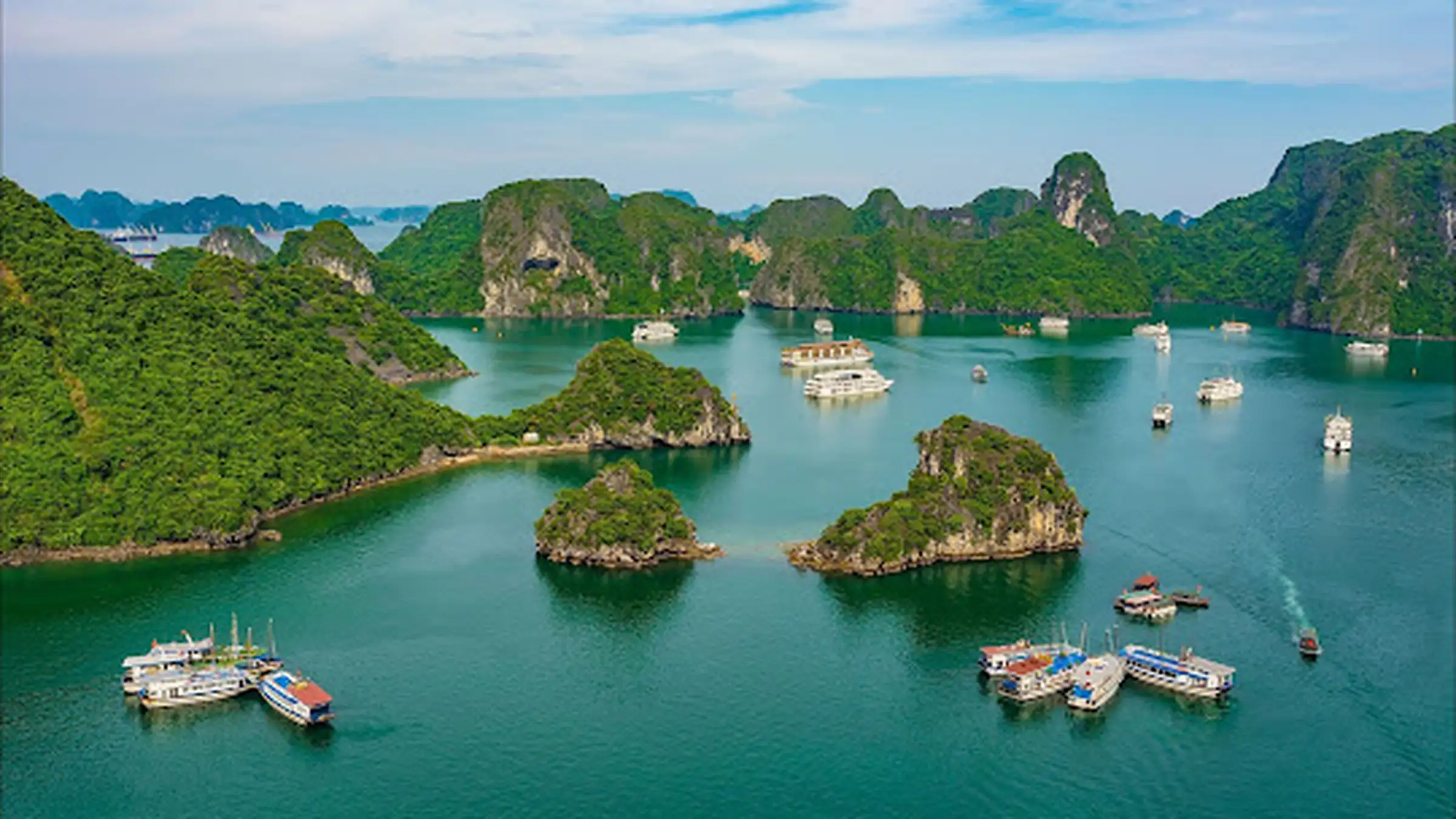
Seasonal Activities
Tours & Experiences